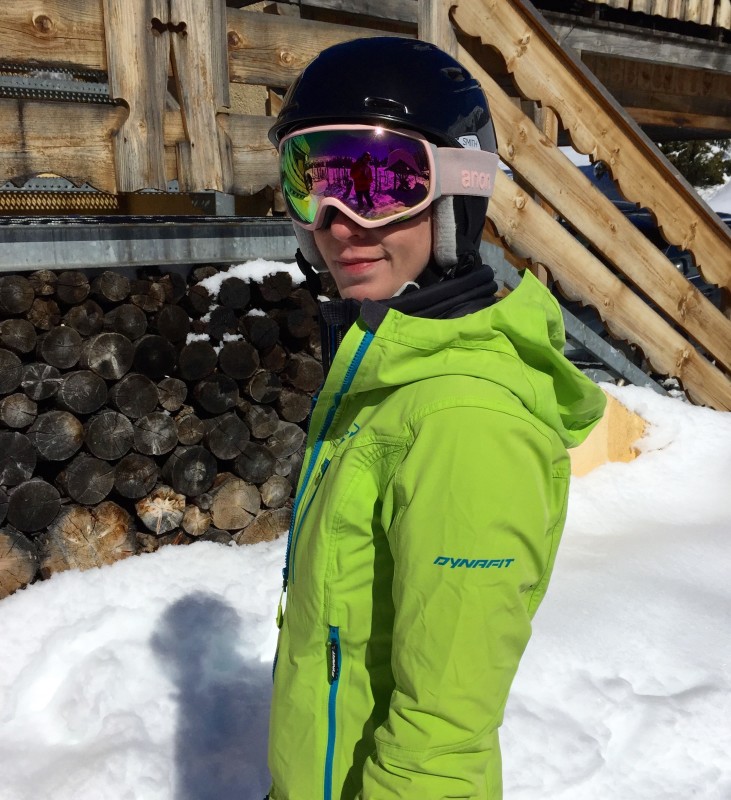
I am super excited about my new helmet! Is that lame? For almost 10 years I have been skiing with rental headgear, which is usually uncomfortable and slightly gross. But finally, on my recent ski trip to Meribel, France, I purchased a new shiny black ski helmet (for 30% off) that’s protective, padded, and full of hi-tech features like air vents and bluetooth. But like any tried and true skier knows, this purchase is just the tip of the ski kit iceberg.
Skiing is a sport that requires ample amounts of gear. From head to toe, pieces are designed for performance and comfort. They must be warm, but breathable. They need to be protective, but flexible. And detailed features are sought after because winter athletes demand specific technologies. All of these needs become readily apparent the minute you take to the mountain.
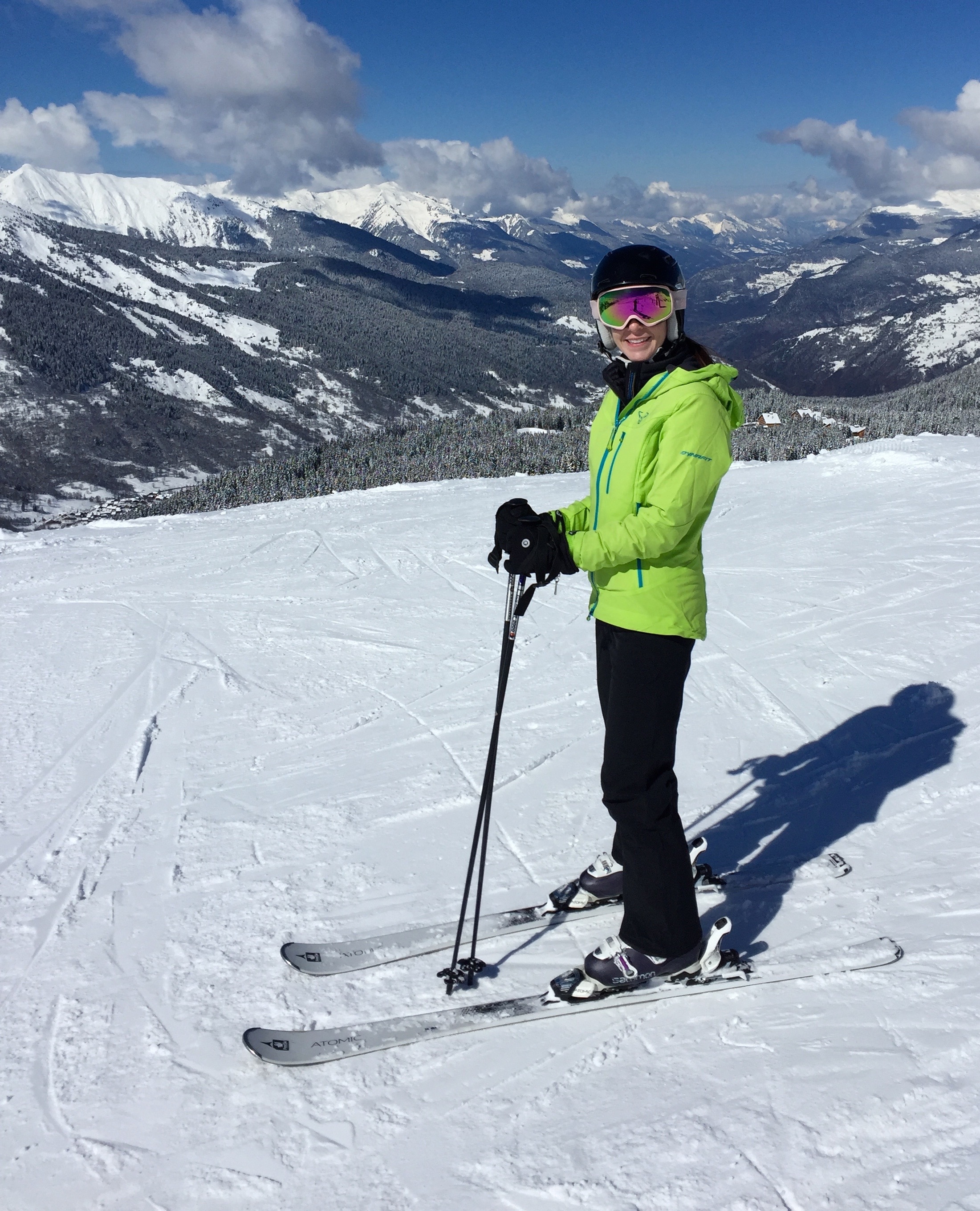
I began learning to ski when I was in my late 20s and back then I wore a long puffy coat from the GAP. It was all I owned, but it did the trick. It was down, so it kept me warm. It was long enough to cover my butt (protecting me when I fell). And it had a double-zipper, allowing me decent leg mobility. But it was the equivalent to skiing in sweatpants over jeans (not cool!), so over the years as I got (marginally) better, I began investing in proper ski clothing. Taking advantage of spring season sales and acquiring a few new pieces each year.
However, this is not without being fashionably minded. Fashion aesthetics are equally important to performance, both on and off the slope, because après ski is as much a sport as downhill racing. (More on my après ski look later.)
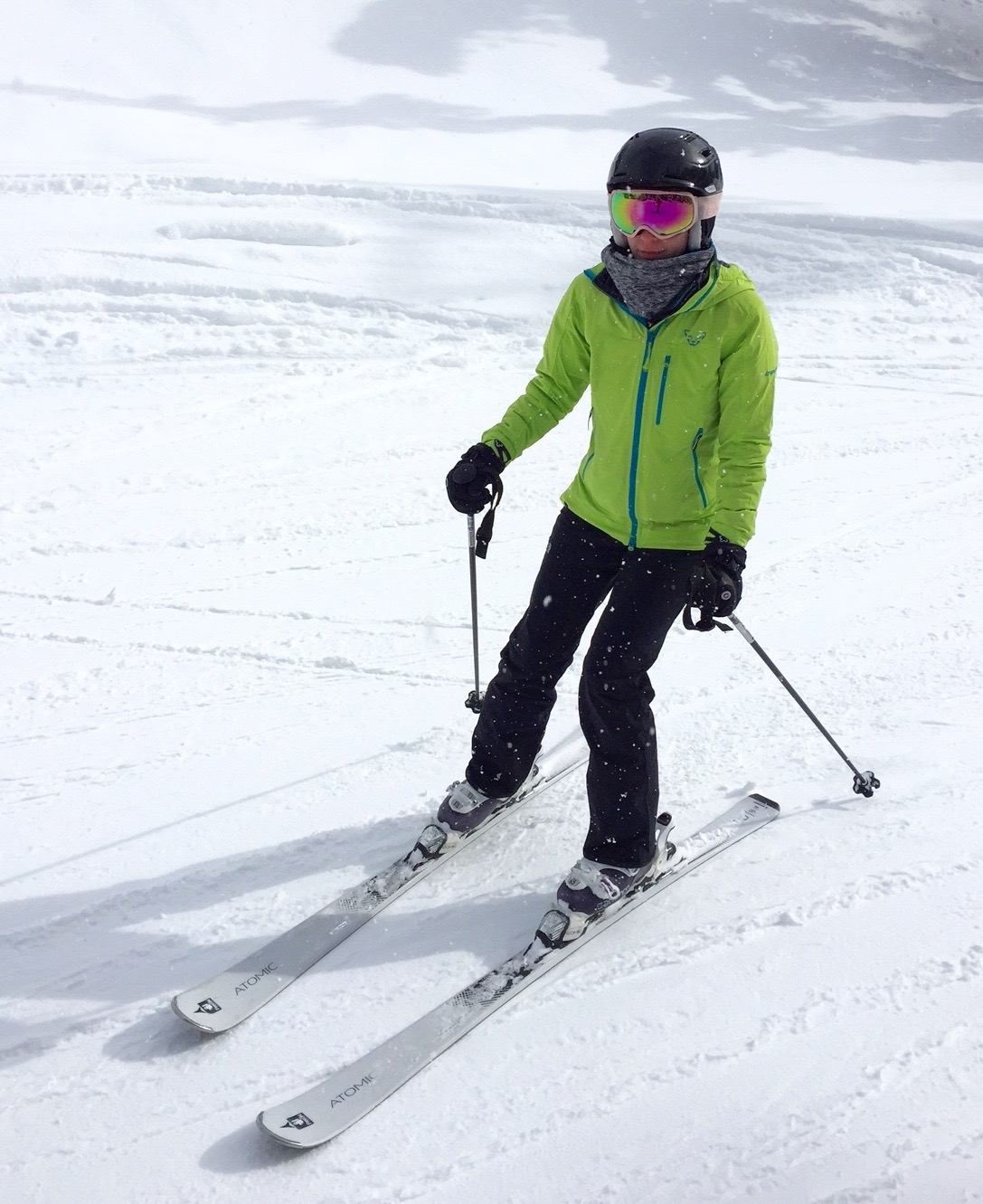
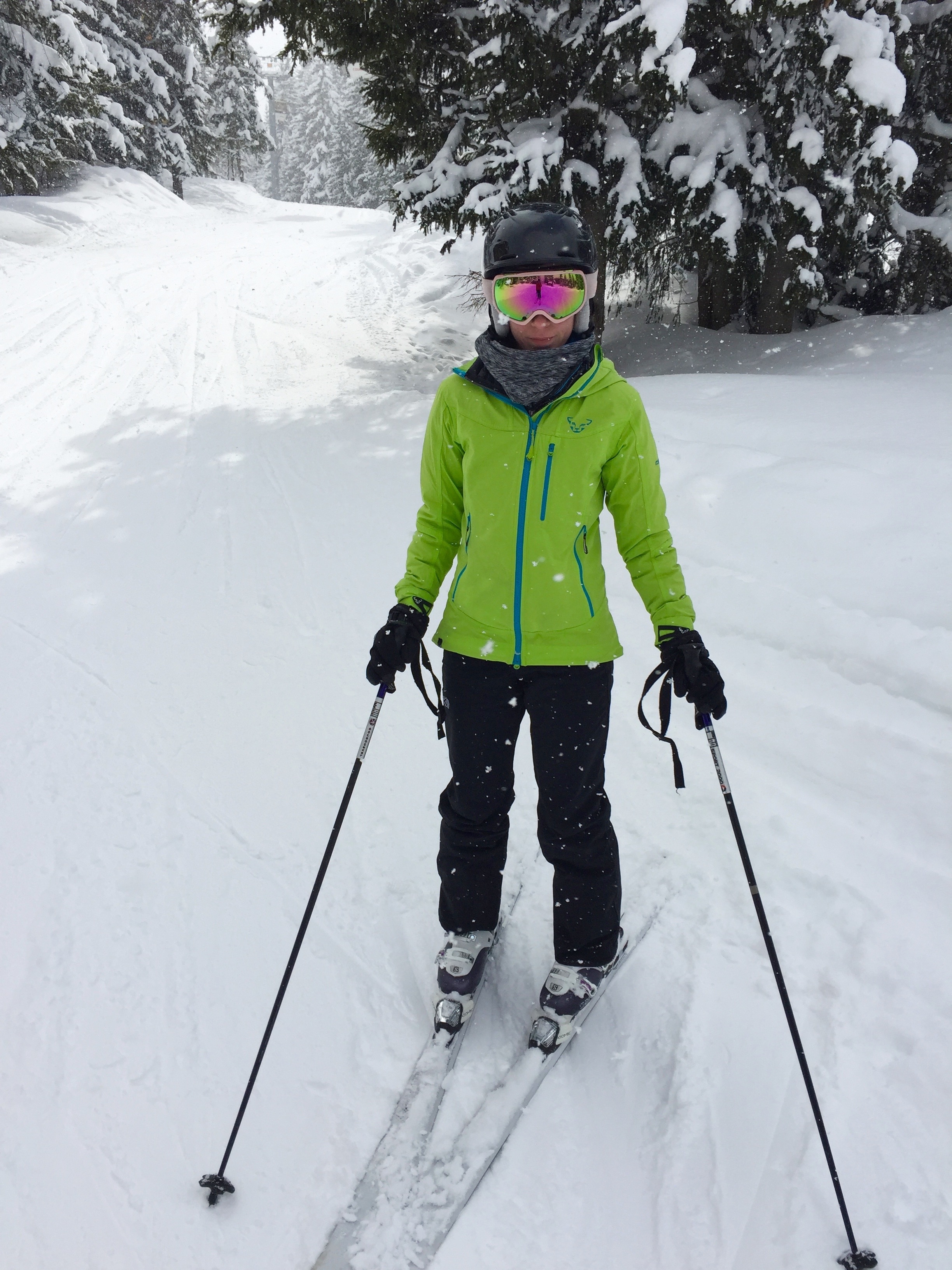
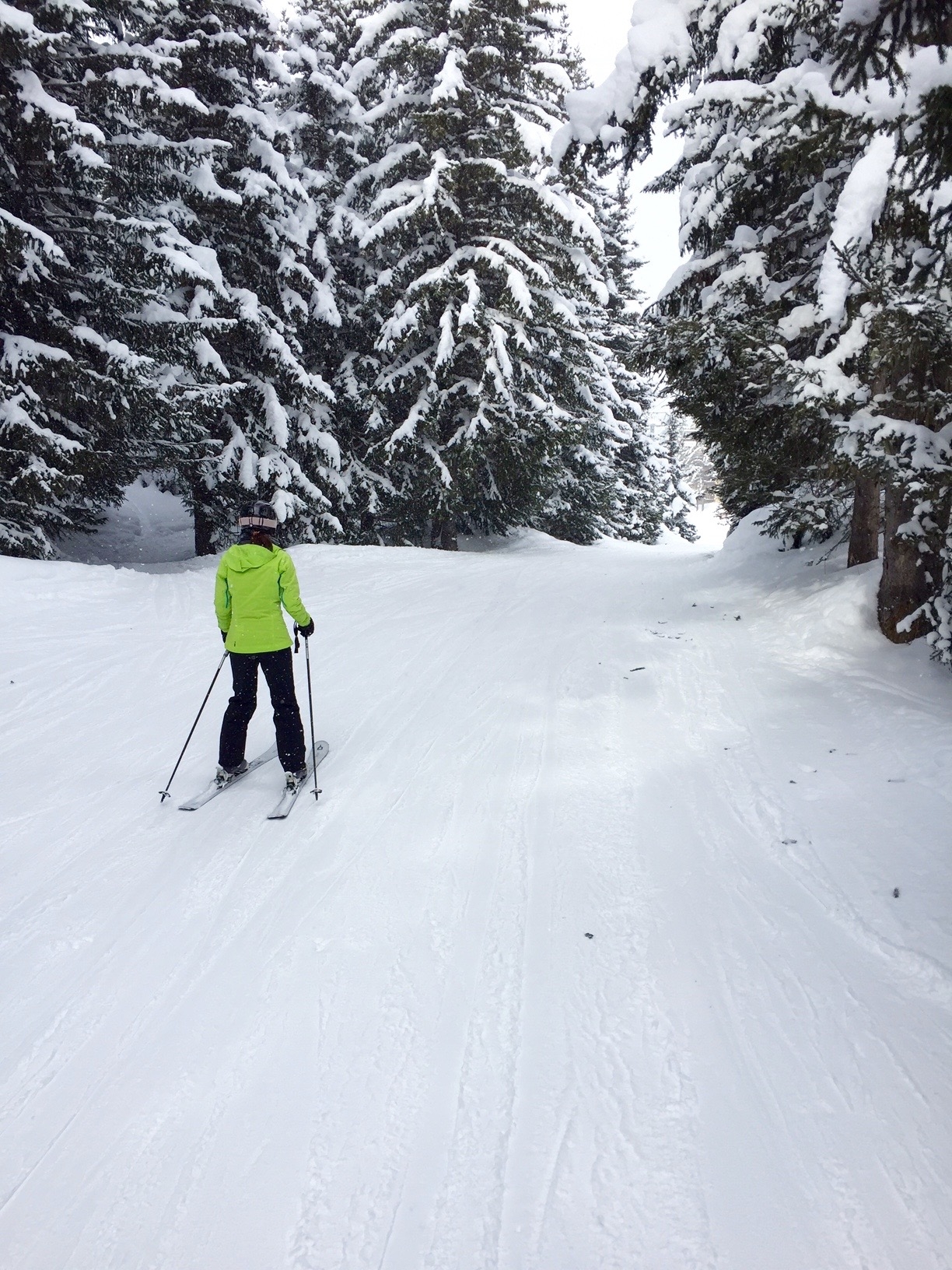
So… having skied (and shopped ski) for almost a decade, here is my basic buying guide for those must-have piste pieces. And what to look for if you hit those ski sales this spring.
Helmet
This is by far one of the most important pieces of ski gear. I highly encourage all skiers (whether beginner or advanced) to wear one. I swear… they are not as uncool as they used to be and almost everyone on the mountain wears helmets these days. They keep you protected and warm. Find one that fit snugly around the skull and comes down to your mid-forehead. Plush padding on the ears and chin guard makes them more comfortable. And features like air vents, bluetooth technology and built-in speakers are bonuses for those in motion.
Goggles
Skiing in low visibility sucks. Look for goggles that offer changeable lenses, so you can choose your appropriate lens, dependant on the day’s light – whether bright or low. Plus they come in various super cool reflective colours that looks great in selfies.
Jacket(s)
This is probably the second most important ski item(s) to own. I’m a big believer in versatility. I prefer a jacket that is trans-seasonal, that works well over layers for cold days or on its own for warmer days. Look for an outer soft shell jacket that is waterproof, wind resistant, full of accessible zip pockets, and covers the bum for those imminent spills. Then invest in a down or fleece layer that fits snugly underneath.
Ski Pants
For years I skied in salopettes (AKA overalls). And while they work just fine and look pretty cute during happy hour, they are a total pain-in-the-ass when you need to go to the bathroom. Forget the bib and get a regular pair of pants that are waterproof, fully lined, high waisted, and feel comfortable when you squat down solemn-style.
Base Layers
Comfort is key here as this is layer #1. Find a tight fitting top and leggings that are seamless and sweat-wicking. Antibacterial properties found in fabrics like bamboo are an added bonus. As is cool and quirky designs that stand out in après ski scenes.
Ski Socks
Comfort is also very important here. I always wear long calf covering Smartwool socks, with padding in all the right places, special elastics, and strategically placed mesh vents.
Gloves
I have yet to find the perfect pair. Maybe next season…
helmet: Smith / goggles: Anon / outer jacket: Dynafit / inner jacket: Kühl / pants: Millet / snood and base layers: Sweaty Betty

Leave a Reply