
“You look ridiculous,” my husband mocks, as I model my new coat. I shoot him a look that says “zip it” as I return my gaze to the mirror to, in fact, zip up my newly purchased teddy coat. Its cocoon-shape generously envelops me. Its soft and nubby texture mimics a thick fleece sweatshirt, but its elegant detailing, gold zippers down the front and on the sides, elevates it from a seasonal staple to an autumnal statement piece. I feel comfortable, yet chic – ready to brace the incoming fall chill.
Purchased from J.Crew in fall 2018 * (just after the birth of my son), I sought a warm and practical coat for strolling the soggy streets of London. This jacket’s online description read, “feels like a wearable teddy bear,” prompting my postpartum self to add to cart. Available in multiple colourways from basic black to warm brandy to various shades of pink, I chose a sorbet shade of pink, dubiously named Glass Petal. ** I opted to look like a Care Bear; and I’m not alone.

The teddy coat has become one of this season’s hottest outerwear trends, again. Highly featured on fashion runways in autumn 2018, it has become as ubiquitous in 2019 as denim jackets were in the early 2000s. Everyone from celebrities, like Kim Kardashian and Hailey Bieber, to moms on the school run, like me, is embracing the coat that is made for cuddling. Who What Wear reported that teddy coats saw a huge spike in online searches, rising by 1000% year-over-year. With the public clamouring, it is no surprise that teddy coats have infiltrated retailers everywhere, in price ranges from budget to break-the-bank expensive.

Despite being an easy target for joking husbands, the teddy coat is steadily making its way into women’s mainstream fashion. But why has this outerwear trend surpassed its seasonal debut? And why are women leading the charge?
Hey there 70s style
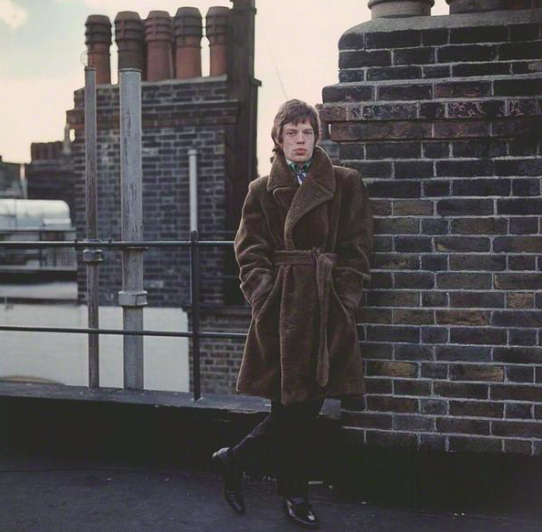
Seasonal trends are often thoughtlessly revisited each year, as humorously noted by Meryl Streep’s character Miranda Priestly in The Devil Wears Prada, “Florals? For spring? Ground-breaking.” Every autumn we see colour palettes featuring browns, rusts, yellows, and greens, alongside knee-high boots, chunky knit sweaters, and plaid. It’s a fashion cliché that bloggers welcome with open arms and pumpkin spiced photo props. But the teddy coat’s return is proving to be more than a repeat seasonal style. It is a high five to 1970s fashion – a trend that has been hovering in peripheral racks all year. But in AW19, we are seeing the decade’s influence in shapes and colours everywhere. Along with tight knit turtleneck tops and high-waist wide-leg trousers (often worn together), there is the arrival of mustard – a love it-or-hate-it shade of yellow that can part a crowd faster than a discussion about abortion. The teddy coat fits into this 70s style resurgence as an outerwear icon, made famous by public figures including trendsetting rockstar Mick Jagger.
Eco-Appeal
Of course, those past-worn teddy coats were likely made from animal fur, a fabric currently out-of-favour, due to its high expense and lack of social consciousness. Today’s consumers are more woke, shopping with a stronger ethical mindset than ever before (more on that here), opting for eco-friendly materials. Whilst not all teddy coats claim to be environmentally conscious, faux fur naturally presents itself as an eco-chic choice; as well as a cheaper choice (an often appealing option in today’s economic climate).
In The New News
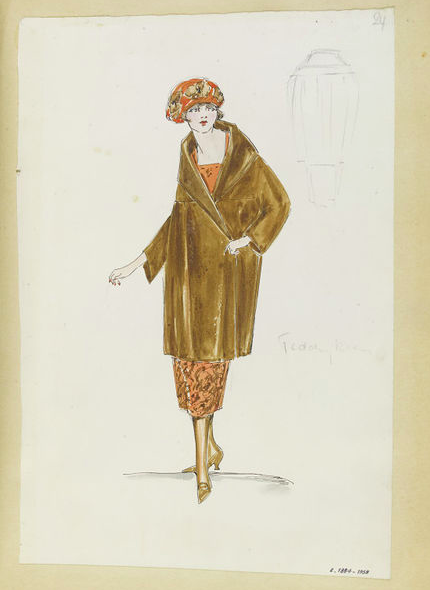
Initially designed as a men’s car coat in the early 1900s and later popularized by Ivy League students and wealthy patrons in the 1920s, the teddy coat resonates as a symbol of wealth and comfort, that continued to be worn during times when the state of global affairs was as ominous as our own. With the UK’s looming Brexit and the US’s potential presidential impeachment, among other frightening world headlines, people are seeking comfort in their clothing choices, opting for a piece that feels rich and warm, just as the teddy coat promises to deliver.
You Go Girl
But this year it is women who are driving this overcoat trend. In the wake of the Me Too and Time’s Up movements women have publicly shared their personal experiences with sexual harassment and assault, as well as their everyday gender struggles, including but not limited to: glass ceilings, maternity leave plans, and menstruation product taxation. Is it any wonder that women want a hug – but on their own terms. The teddy coat is an item that begs to be touched, but it is the wearer that decides when it needs to feel the soft caress of coat, making it a true act of self-love.
Among all the hashtags *** on Instagram, #selflove has been used 34.2 million times – showing yet again another social movement. The notion of self-care is often proliferated by posts of bubble baths, sweaty selfies, and inspirational quotes, depicting a lifestyle where people are choosing themselves first. And whilst we know that not everything on social media is real, it is clear that people value feeling (or at least portraying) comfort in a world of chaos. Physical and mental health are now precious commodities.
Seeking physical comfort is a common coping strategy for dealing with stress. Remember Snuggies, the cultural phenomenon of the blanket with sleeves, inciting you to stay at home on the couch and watch Netflix, without ever letting your arms get cold. Hello hibernation mode. But unlike the Snuggie, the teddy coat encourages you to go out of the house. With its generous proportions, warm faux fur fabric, fashionable details, and inherent cuteness, it inspires you to get off the couch and out the door, chanting, “Keep cosy and carry on,” just as a good therapist does.
* My teddy coat (pictured above) is unromantically named the Zip-Up Plush Fleece by J.Crew and is still available in three colours in fall 2019. Link here.
** A prophecy for Pantone’s 2019 colour of the year, Living Coral, a colour specially revered for its ability to comfort and energise providing equanimity in a time of global chaos. No wonder my postpartum self felt so inclined.
*** As of October 28, 2019 #metoo was used 2.2 million times, while #timesup was used 725K. #teddycoat was used 118K.

Leave a Reply